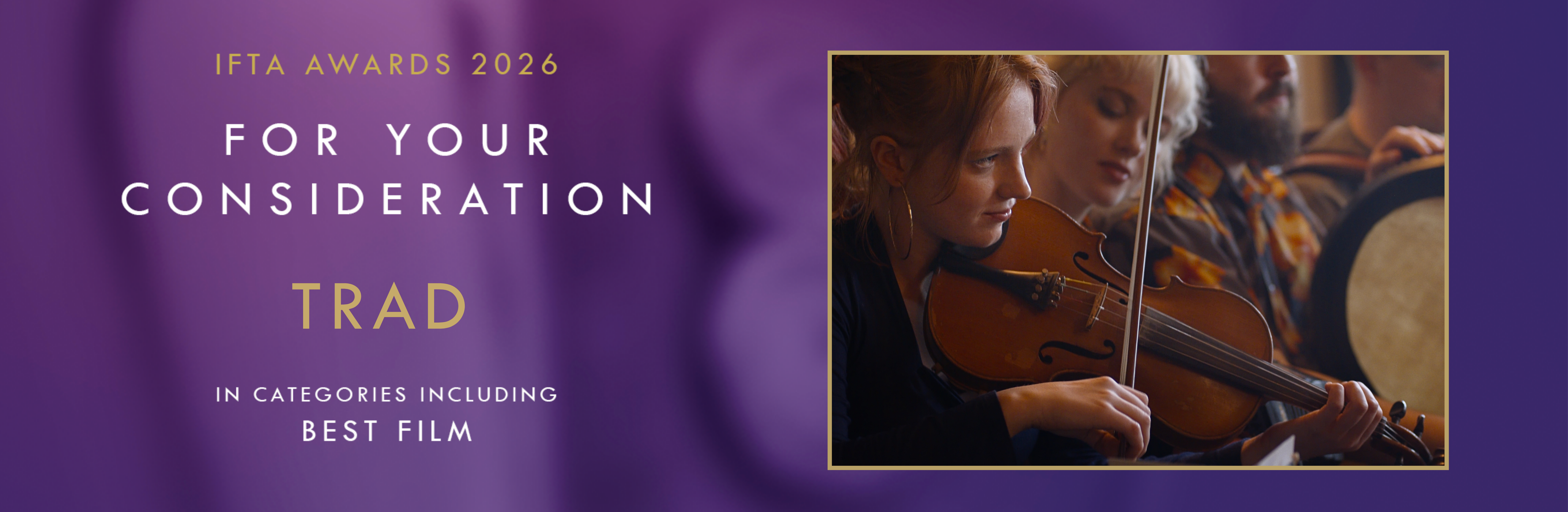
FOR YOUR CONSIDERATION
IFTA AWARDS 2026
Trad
From their home in the Donegal Gaeltacht, gifted fiddle player Shóna McAnally and her little brother Mickey take to the road with a troupe of wandering musicians, on a crosscountry journey of adventure, romance, and musical exploration.
Director: Lance Daly Writer: Lance Daly Producers: Lance Daly
Filmmaker Q&A
Q: What was the genesis of this film, and how did it evolve over the course of development to production and completion?
Lance Daly (Filmmaker): “I wanted to make a film about young people playing Irish music, about the ancient tradition they inherit, and how they try to change it but how it inevitably changes them, and to celebrate the maturity, agency and fundamental decency that I've often observed as distinctive features of Irish adolescence, in the hope we might somehow preserve those qualities in the face of the devices and apps and social media of it all, and to make something unmistakably human, that A.I. could never come up with. TRAD evolved in little ways but I think the final piece ended up feeling very close to the original proposition."
Q: What did you feel was the most fulfilling element of working on this film?
Lance: “Finishing it! Watching all the smiling faces and heads nodding along in time to the music at recent screenings at the London and Foyle festivals and the IFTA preview at the IFI was a big relief after two very long years of post-production. I showed a work-in-progress at the Galway Film Fleadh and we got a huge reaction but I knew it wasn't quite finished. It took a lot of patience and generosity from the same brilliant post team as Black '47 - editor John Walters, mixer Fionán Higgins, colourist Gary Curran, music producer Ciarán Byrne and vfx supervisor Daniel Cullen, and post-production partners Outer Limits - to work out those final kinks, but it really felt worth the extra push when I watched it with those audiences recently. Other fulfilling elements were creating the music at Hellfire Studios with Declan and Eugene Quinn and Megan Nic Fhionnghaile and an all-star musical ensemble, making mad styles with costume designer Kate Doherty, and our demented attempt to shoot across seven counties, and post-production."
Q: To what extent was your on-screen talent vital to the success of the film?
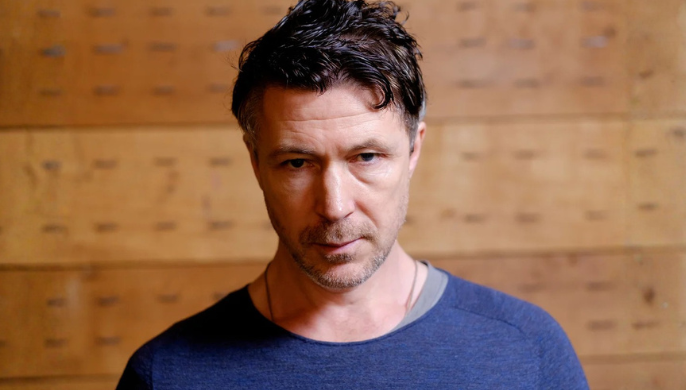
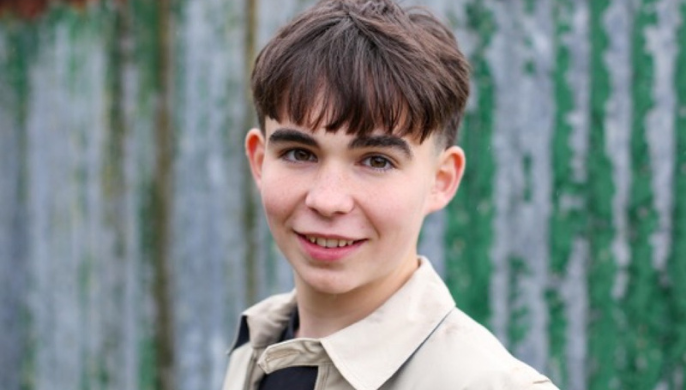
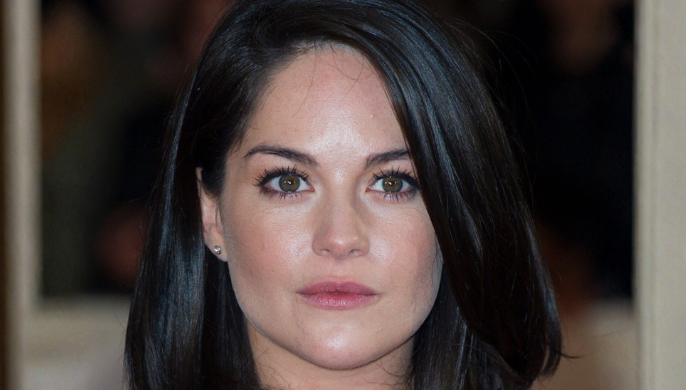
Lance: “Megan Nic Fhionnghaile is in almost every shot of the film. That's a lot of responsibility for a debut performance to carry, but she brought the discipline and truth-telling and single-mindedness of her musicianship to her acting and delivered a great performance under immense pressure. Combine that with her fiddle playing, and her contribution is vital and essential and immense. The cast are always the single most vital element to creative success. Casting directors Hilary McCarthy and Sarah Hone drew from such a wide range of performers - from musicians who had never acted before all the way to some of Ireland's best and most experienced actors. Alongside first-timers Dallán Woods and Cathal Coade Palmer, both of whom audiences also really love, Megan leads an ensemble of young actors - some well established like the mad genius Ann Skelly or the wonderful Henrique Zaga, and some emerging forces like Francis O'Mahony, Sonny Daly, Joanne Bracken and Siobhán Matshazi, with generous support from Lábhras Sonnaí Choilm Learraí, Geraldine McAlinden, Carl Shaaban, Peadar Cox and Ruairí Heading, all of whom did me a big favour to come in as day players in roles they were way over-qualified for, and each of them brought something really special to the film. And I'm saving mentioning three of the kindest most decent actors I've ever worked with until last - Aidan Gillen, Sarah Greene and Peter Coonan - who all demonstrated a vitality beyond the creative, being interested enough in the script's potential to pledge their commitment to the project long before I had any finance arranged, so aside from their obvious creative contributions their commitments also proved vital to the practical end of actually getting it made. How can an interesting Irish cinema exist without that spirit of curiosity and collaboration?”
Q: What does it mean to have your work acknowledged by your peers in the Irish film community and showcased at the IFTA Awards?
Lance:
“Only our peers can truly appreciate just how challenging a film is to make, or how well crafted it is, and that appreciation is quantified through the process of nominations and awards. Most of the rest of the time we are guessing as to the value of our work. Audiences respond while watching, or in the moments after watching, so that's easy to miss, and usually the only metric of their feeling is through a vague sense of word-of-mouth. Critics most often compare your work to the very best films they have seen from around the world, that have been made at all sorts of levels of resourcing and opportunity and have already transcended the orbits of their own communities, which is fine but can set unrealistic expectations for what our cinema can be. We belong to a specific, small and dedicated community where making good films is extremely difficult - getting the right idea through to production, casting without compromise, getting the details right - so only our peers can truly appreciate a homegrown film's accomplishments.
The recognition of creative achievement is wonderful, and usually a welcome balm for an ego battered by the exhausting process of making the film, but when you've gambled as much as we all did on this, anything that helps to sell the movie is even better!"


logomenu.png)